
How much does car tint cost in the Philippines?
Car tint installation in the Philippines starts from around PHP 6,000++ and go up to PHP 25,000++ for a full-vehicle tint, depending on the type of window film, vehicle size, and installation requirements.
Here's the car tint cost breakdown per product:
- Crystalline Series: PHP 18,500 to PHP 44,500++
- Ceramic IR Series: PHP15,000-25,000++
- BC/Ceramic IM Series: PHP 9,000-PHP13,500++
- XP Series: PHP 6,000-10,000++
The final price will be determined by a variety of factors.
Why should you tint your car windows?
-
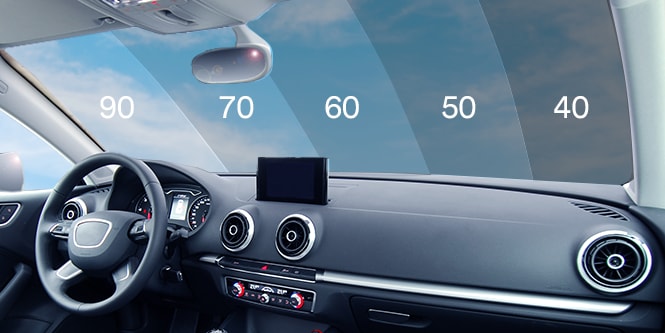
 1. Reduces heat inside your car
Car window tint helps block solar heat and UV rays, keeping your car cooler and more comfortable. It can also reduce how hard your air conditioning needs to work.
-
 2. Protects your car interior from UV damage
Car window tint helps block harmful UV rays that can cause your car’s interior to fade, crack, and wear out over time.
-
 3. Improves privacy and security
A dark tinted car window serves as a deterrent against potential theft and break-in by reducing visibility into the vehicle. This added layer of privacy and security offers a priceless peace of mind.

Get a personalized quote for your window tinting needs
CONTACT AN INSTALLER TODAY-
-
What factors affect the cost of car window tint?
The cost of car window tint depends on several factors, including:

Type and quality of car window tint
-
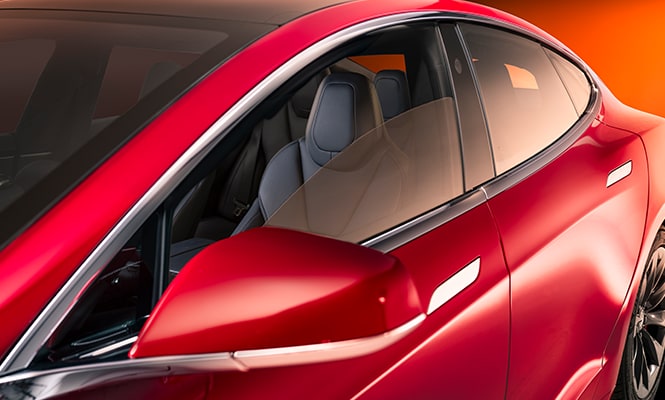
The type and quality of window tint you choose is one of the biggest factors affecting the total cost of car window tinting. Different films are made with different materials and technologies, so prices can vary depending on their performance, durability, and warranty coverage.
Basic films, such as dyed or metalized tints, may cost less upfront, but they may not offer the same long-term value. Some lower-cost films can fade, discolor, turn purple, peel, or reduce visibility over time.
Higher-quality window tint films are typically made with more advanced materials and technology. These films are designed to deliver better durability, optical clarity, and resistance to fading, bubbling, and peeling.
-
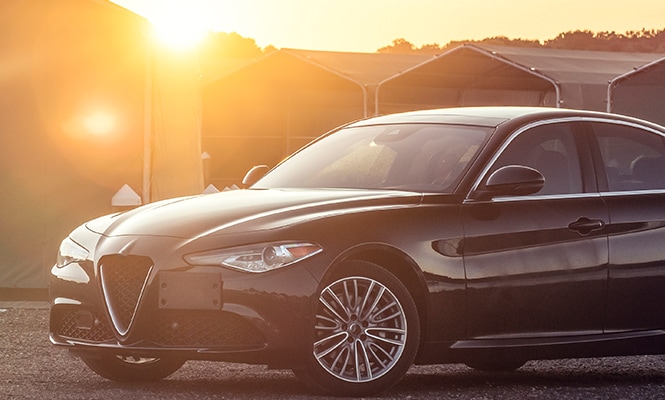
It is also important to know that darker tint does not always mean better heat rejection. That is a common myth. Heat and UV protection depend on the film technology, not just the shade. For example, 3M™ Automotive Window Film Crystalline Series is designed to provide excellent heat rejection and UV protection even in lighter shades.
Choosing the right film from the start can help you get better long-term value by reducing the need for early replacement and improving overall performance.

3M™ Crystalline Series
- Patented multilayer optical film nanotechnology
- Combines over 200 layers in a film thinner than a Post-it® Note
- Superior protection against heat and UV, with unmatched visibility
- Built to last, virtually maintenance-free, and backed by 3M warranty

Brand, warranty, and coverage
-
Brand reputation, warranty, and coverage can also affect the price of car window tinting. Car window films from trusted brands may cost more, but they often offer better product quality, stronger performance, and more reliable after-sales support.
A manufacturer-backed warranty is important because it helps protect your investment if the film develops issues such as bubbling, peeling, fading, or discoloration. While window tint with warranty coverage may come at a higher initial cost, it can help reduce future repair or replacement expenses.
A comprehensive warranty can also be a sign of product quality. In many cases, it reflects the manufacturer’s confidence in the film’s durability and long-term performance, as well as their commitment to customer satisfaction.
For example, 3M™ Automotive Window Films are backed by a warranty of up to 10 years, giving drivers added confidence in the performance and longevity of their tint.
Learn more about the 3M automotive window tint warranty on our website.

Complexity of car tint installation
-
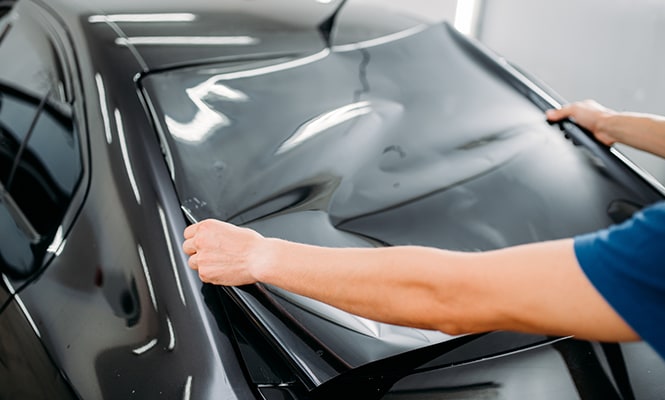
The cost of car window tinting can also depend on your vehicle type and how complex the installation is. Some vehicles require more time, skill, and specialised techniques to achieve a clean and precise finish.
For example, cars with curved or unusually shaped windows may require techniques such as heat shrinking to ensure the film fits properly. Installers may also need to work carefully around built-in features such as sensors, antennas, and rear window defrosters to avoid interfering with their function during the installation process.
-

Because of this, more complex installations may cost more than standard tint jobs. The added cost often reflects the extra expertise, time, and precision needed to complete the work correctly.
Choosing an experienced installer is important to help ensure the tint is applied properly and performs as expected over time. 3M-certified installers are trained in the correct tools, techniques, and best practices for automotive window film installation, helping deliver a high-quality finish.

Total number and size of windows

The total number and size of your vehicle’s windows can also affect the cost of car window tinting. Larger vehicles, such as SUVs and vans, usually have more windows and greater glass surface area, which means more window film and installation time are required. This can make tinting more expensive compared with smaller vehicles that have fewer or smaller windows.
For drivers who want more complete protection, full vehicle tinting is often recommended. Depending on the vehicle model, this may include the front and rear windscreen, side windows, and smaller glass panels such as quarter windows or rear vents. Covering more windows can help improve overall comfort and increase protection from heat and UV exposure inside the vehicle.

Removal of old tint and additional services
-
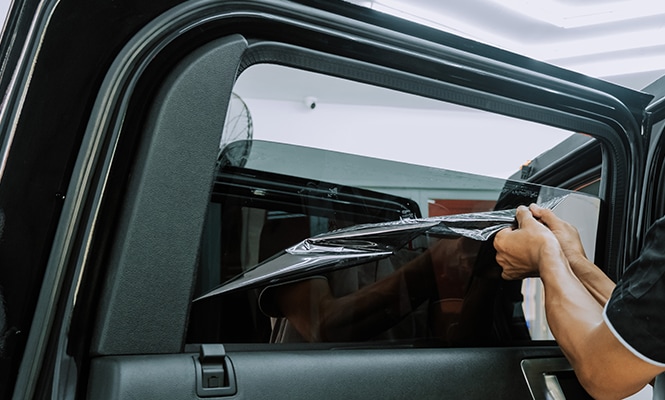
Another factor that can affect car window tinting prices is whether old tint needs to be removed before a new film is installed. Tint removal is typically an additional service, and the cost can vary depending on the condition of the existing film.
How to remove window tint?
Removing old window tint can be more difficult than it appears and is best handled by a trained professional. In many cases, lower-quality or aging tint can leave behind stubborn adhesive residue, which must be thoroughly cleaned before new film can be installed.If tint removal is not done properly, it may scratch the glass or damage features such as the rear windscreen demister lines. This can add unnecessary cost and delay the installation of new tint.
Choosing a high-quality window tint from the start can help reduce the likelihood of early replacement. Durable, low-maintenance options such as 3M™ Automotive Window Films can help drivers avoid the added hassle and cost of re-tinting.

Budget range
-
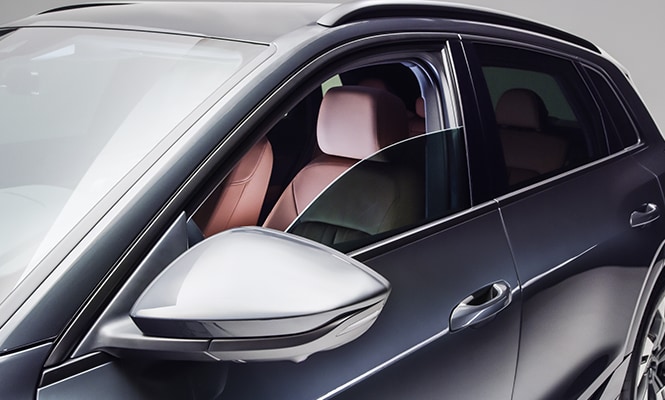
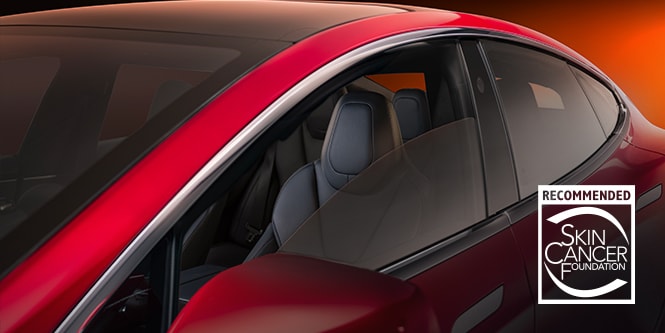
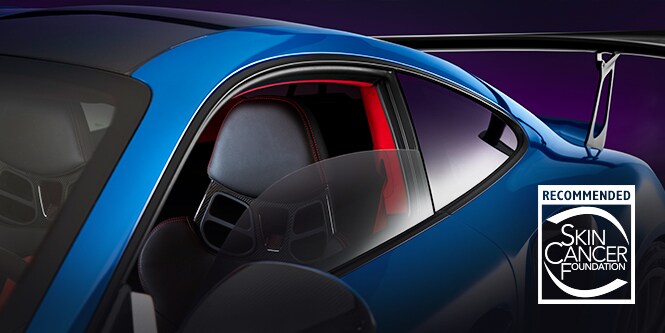
Budget plays an important role in choosing the right car window tint. The best option is often one that balances upfront cost with the level of protection, comfort, and durability you need.
While lower-cost car window films may seem appealing at first, higher-quality window tints can offer better long-term value through improved performance and longer-lasting results. If you spend a lot of time on the road, investing in a premium tint may provide added benefits for comfort, UV protection, and everyday driving.
Car window tint comparison by performance and budget
|
Specification
|
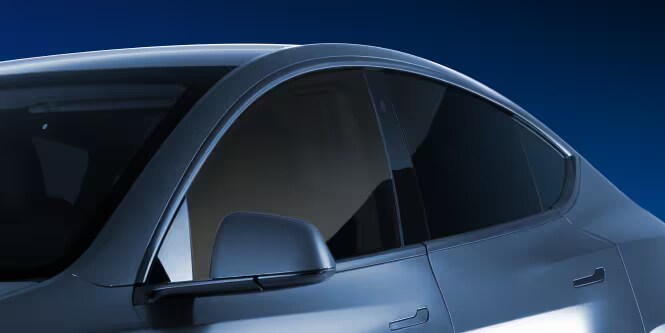 FX-HP series |
||
|---|---|---|---|
|
Heat rejection1
|
Up to 99% (IRR2)
Up to 63% (TSER3) |
Up to 95% (IRR*)
Up to 63% (TSER*) |
Up to 43% (IRR*)
Up to 55% (TSER*) |
|
UV protection
|
Up to 99.9%
|
Up to 99.9%
|
Up to 99.9%
|
|
Light Visibility
Visible Light Transmittance (VLT)4 |
Very High
21% - 86% |
High
6% - 78% |
Medium
3% - 49% |
|
Glare reduction
|
Up to 76%
|
Up to 93%
|
Up to 97%
|
|
Privacy and security
|
Available in a range of tint shades
|
Available in a range of tint shades
|
Available in a range of tint shades
|
|
No signal interference
|
✓
|
✓
|
✕
|
|
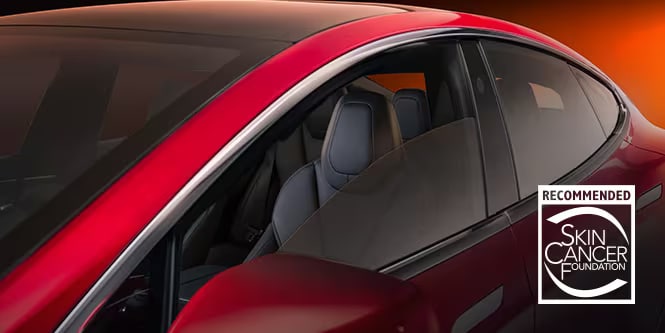
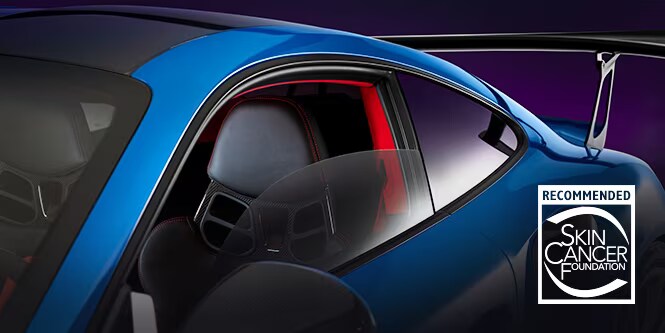
Skin Cancer Foundation’s Seal of Recommendation
|
✓
|
✓
|
✕
|
|
3M warranty coverage
|
✓
|
✓
|
✓
|
|
Cost
|
$$$
|
$$
|
$
|
- Data is comparable to current auto industry method using a clear 89% VLT glass, and testing is in accordance to ANSI/NFRC 200 Procedure.
- Infrared Rejection (IRR) - Percent of solar infrared energy in the 900 – 1,000 nm wavelength range that is rejected by the car tinting film. Measurement is made of film with liner alone (i.e., no glass).
- TSER (Total Solar Energy Rejection) - The percentage of total solar energy rejected by filmed glass. The higher this value, the less solar heat is transmitted.
- The visible light transmittance (VLT) values provided are based on measurements conducted on clear glass.
Summary: Installing a good quality car window tint from the best car tint brand will save you money in the long run.
The cost of car window tinting is influenced by the film you choose, the warranty included, your vehicle type, the size and number of windows, any old tint removal required, and the level of performance you want. While premium films may come with a higher upfront cost, they can offer better durability, stronger protection, and greater long-term value. Choosing the right car tint is about finding the best balance between budget, performance, and lasting benefits.

Ready to get tinted? Book an appointment for your car window film installation today.
FIND WINDOW TINTING INSTALLATION NEAR ME EXPLORE 3M AUTOMOTIVE WINDOW FILMS
